Quiet Nerves Nerve Health Support Reviews is marketed as a dietary supplement focused on nutritional support for everyday nerve wellness. Products in this category are generally designed around nutrients and other compounds associated with normal nervous system function.
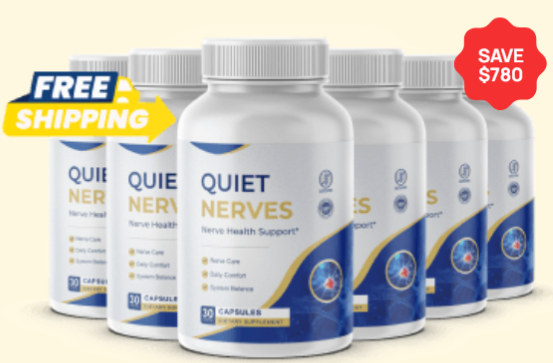
The intended concept is straightforward:
Provide nutritional support while complementing healthy daily habits. That can make sense for adults who are paying greater attention to their overall wellness. Nevertheless, a supplement should not be confused with a medical treatment. If someone experiences persistent numbness, tingling, weakness, burning, balance problems, or unexplained changes in sensation, identifying the underlying cause is far more important than simply adding another supplement.
Why Does Nerve Health Matter?
The nervous system connects the brain and spinal cord with the rest of the body. It helps coordinate movement, sensation, communication between tissues, and countless automatic processes. Because nerves support so many functions, maintaining overall health matters.
Several lifestyle factors can contribute to overall neurological wellness:
- Balanced nutrition
- Regular physical activity
- Adequate sleep
- Healthy blood-sugar management
- Moderate alcohol consumption
- Avoiding tobacco
- Maintaining appropriate nutritional status
- Managing long-term stress
Consequently, view nerve health as part of a broader health strategy rather than a single-supplement problem.
What Are People Looking For When They Search for Quiet Nerves?
Search intent is important. Someone researching Quiet Nerves may simply want general nutritional support. Another person may be searching because they have noticed unusual sensations and want to understand their options. Those situations are not identical. A supplement may fit into a general wellness routine, but persistent neurological symptoms deserve appropriate evaluation. For example, recurring numbness or tingling can have numerous potential causes, including nutritional deficiencies, metabolic conditions, medication effects, nerve compression, circulation problems, or other health issues.
Quiet Nerves and Normal Nerve Function
The nervous system relies on a variety of nutrients to function normally.
Some vitamins and minerals contribute to processes involving:
- Energy metabolism
- Normal nerve signaling
- Cell maintenance
- Red blood cell formation
- Normal neurological function
This is why many nerve-health supplements focus on nutritional ingredients rather than relying on one “miracle” compound. However, nutritional support works best when it addresses an actual need. If someone already receives adequate amounts of a nutrient, taking substantially more does not automatically provide additional benefits.
B Vitamins and Nerve Wellness
B vitamins frequently appear in nerve-health supplements.
Several B vitamins play important roles in normal energy metabolism and nervous-system function.
Vitamin B1
Thiamine contributes to normal energy metabolism and neurological function.
Vitamin B6
Vitamin B6 contributes to normal nervous-system function and numerous metabolic processes.
However, dosage matters. Excessive long-term intake of vitamin B6 can itself cause neurological problems. Therefore, more is definitely not always better.
Vitamin B12
Vitamin B12 is particularly relevant to neurological and blood-cell health.
A deficiency can contribute to neurological symptoms, which is why people with suspected deficiency should consider appropriate medical evaluation rather than simply guessing with supplements.

Why Nutritional Status Matters
Nerve health doesn’t exist separately from the rest of the body. For example, inadequate intake of certain nutrients can affect normal physiological processes. Likewise, metabolic health can influence neurological wellbeing.
That makes a balanced diet an important starting point.
Foods such as:
- Eggs
- Fish
- Lean meats
- Dairy products
- Legumes
- Whole grains
- Nuts and seeds
- Leafy vegetables
can contribute valuable nutrients as part of a varied diet. A supplement may provide additional nutritional support, but it shouldn’t become an excuse to ignore dietary quality.
Can Quiet Nerves Help With Tingling or Numbness?
This is one of the most important questions to approach carefully. Quiet Nerves may be marketed for nerve wellness, but a supplement should not be considered a guaranteed treatment for numbness or tingling.
Those symptoms can occur for many different reasons.
If sensations are:
- Persistent
- Increasing
- Severe
- Associated with weakness
- Affecting balance
- Accompanied by unexplained pain
- Appearing suddenly
professional medical evaluation becomes especially important. The underlying cause determines the appropriate response.
What About Nerve Pain?
Nerve pain can be complex. It may result from injury, metabolic conditions, compression, infection, nutritional deficiencies, medication effects, or other causes. Therefore, describing a general dietary supplement as a treatment for nerve pain would overstate what such a product can reasonably promise. Quiet Nerves should instead be viewed through the lens of nutritional and general nerve-health support. If someone has ongoing pain, they should discuss the symptom with a healthcare professional.
Can Nerve Supplements Support Energy?
Some nutrients involved in normal energy metabolism also contribute to nervous-system function. This creates an overlap between energy and nerve wellness. However, persistent fatigue shouldn’t automatically be blamed on poor nerve health. Sleep quality, diet, stress, anemia, thyroid problems, medication, lifestyle, and numerous other factors can influence energy. Therefore, a supplement shouldn’t become the default answer to unexplained fatigue.
Quiet Nerves and Blood Sugar Wellness
Blood-sugar management is another important area of discussion when considering nerve health. Long-term metabolic problems can affect nerves in some individuals. That doesn’t mean every person with unusual sensations has a blood-sugar problem, but it illustrates why underlying health matters. If you have risk factors for metabolic disease or experience persistent neurological symptoms, appropriate medical testing can provide far more useful information than guessing based on symptoms alone.
How Should Quiet Nerves Be Used?
Follow the current serving instructions printed on the product packaging. Avoid increasing the dosage because you want faster results. This is particularly important with vitamin-containing formulas. Some nutrients are water-soluble, but that does not mean unlimited amounts are harmless. A consistent, label-directed approach is preferable. If you’re already taking a multivitamin, B-complex, or other nutritional supplement, compare the labels to avoid unnecessarily duplicating ingredients.
How Long Does Nerve Support Take to Work?
There is no reliable universal timeline. Nerve-related biological processes are complex, and the experience of a dietary supplement can vary considerably between individuals. If a nutritional deficiency exists, correcting that deficiency may be relevant to health. But if symptoms have another underlying cause, a supplement may not address the problem. Therefore, be skeptical of claims promising dramatic nerve-related improvements within a few days.
Who Might Consider Quiet Nerves?
Quiet Nerves may appeal to adults who:
- Want to pay more attention to nerve wellness
- Prefer nutritional supplements
- Want to complement a healthy diet
- Are interested in maintaining normal nervous-system function
- Want a convenient addition to their daily wellness routine
However, it is important to distinguish general wellness support from treatment for a diagnosed condition.
Who Should Talk With a Healthcare Professional First?
Professional advice is particularly important if you:
- Experience persistent numbness or tingling
- Have unexplained weakness
- Have balance or coordination problems
- Have persistent burning sensations
- Have diabetes or blood-sugar concerns
- Take prescription medications
- Have kidney or liver disease
- Are pregnant or breastfeeding
- Have a diagnosed neurological condition
- Already take several vitamin or mineral supplements
A healthcare professional can help determine whether testing or another intervention is appropriate.
Quiet Nerves vs. Treating the Underlying Problem
This distinction deserves emphasis. Imagine someone develops persistent foot tingling. Taking a nerve-support supplement might feel proactive. However, the symptom could have several possible explanations. If the cause is nutritional deficiency, the appropriate nutritional intervention may be relevant. If the cause is nerve compression, metabolic disease, medication, or another condition, simply taking a supplement may not address it.
Therefore:
Support the nerves, but don’t ignore the reason they may be signaling a problem.

Quiet Nerves: Potential Advantages
Nerve-Focused Positioning
The product is aimed specifically at consumers interested in neurological and nerve wellness.
Convenient Supplement Format
A daily supplement can be easier to incorporate into an established routine.
Nutritional Approach
The concept focuses on supporting normal function rather than presenting itself as a medical procedure.
Lifestyle Compatibility
It can potentially complement better nutrition, exercise, sleep, and other healthy habits.
Final Verdict: Is Quiet Nerves Worth Considering?
Quiet Nerves Nerve Health Support Reviews fits into the growing category of supplements designed around everyday neurological wellness. Its most reasonable role is as a nutritional addition to a broader healthy lifestyle. However, nerve health deserves a more thoughtful approach than simply taking a supplement and hoping for the best. If you’re healthy and interested in maintaining general nerve wellness, a well-labeled nutritional supplement may fit into your routine. But if you’re experiencing persistent numbness, tingling, burning, weakness, or other neurological symptoms, finding the underlying cause should take priority.